Unveiling My Role: What Does a Wedding Photographer Do

As I see it, a wedding photographer’s job is to document the people, moments and atmosphere of your wedding, then turn all of that into a proper record of the day. It’s a lot more than taking pictures during the ceremony. There’s preparation, quick decisions as the day moves, helping out with the practical bits, and plenty of careful work on the photos afterwards. Exactly what’s included varies, so it’s worth asking each photographer about their own service.
That’s why two photographers can look the same on paper and give you completely different experiences. Here’s what the job usually involves, and what to check before you book.
What happens before the wedding day?
A photographer needs enough information to understand the shape of the day. Ceremony time, locations, important people, family photo requests and any moments you really care about all help them prepare. It’s also your chance to talk about the kind of photos you like and the parts of the day you’d rather keep low key.
It should feel like a chat, not an interrogation. You don’t need a giant shot list from the internet. A short list of people or moments that really matter is plenty. What’s important is that your photographer understands what you care about and plans their time around it.
- Getting to know you: you’re going to spend your whole wedding day with this person, so it helps if you actually get on.
- Talking through the plan: where you’re getting ready, when things happen, and what matters most to you.
- Bookings and paperwork: contracts, deposits and dates, the boring but important stuff.
- Being organised: knowing the timeline well enough that nothing important gets missed on the day.
Ask when that chat happens, what information they need and whether they’ll help with your timeline. It’s all part of the service, but it’s not the same for every photographer.
What does a photographer do during the wedding?
A lot of the job is watching. A wedding goes from quiet nerves to the ceremony, hugs, drinks, food, speeches and a party, often with several things happening at once. A photographer keeps an eye out for reactions, relationships and moments you’re too busy living to see. The look on a parent’s face, the friend who’s clearly taking the speech very personally, the kids who’ve started their own game in the corner. That’s the real stuff.


There’s a practical side too. Group photos need someone to round people up calmly. Confetti needs a bit of organising if you want everyone in the right place. Portraits need some direction, especially if you’re not used to being in front of a camera. The aim isn’t to take over your wedding. It’s to step in when it helps, then step back.
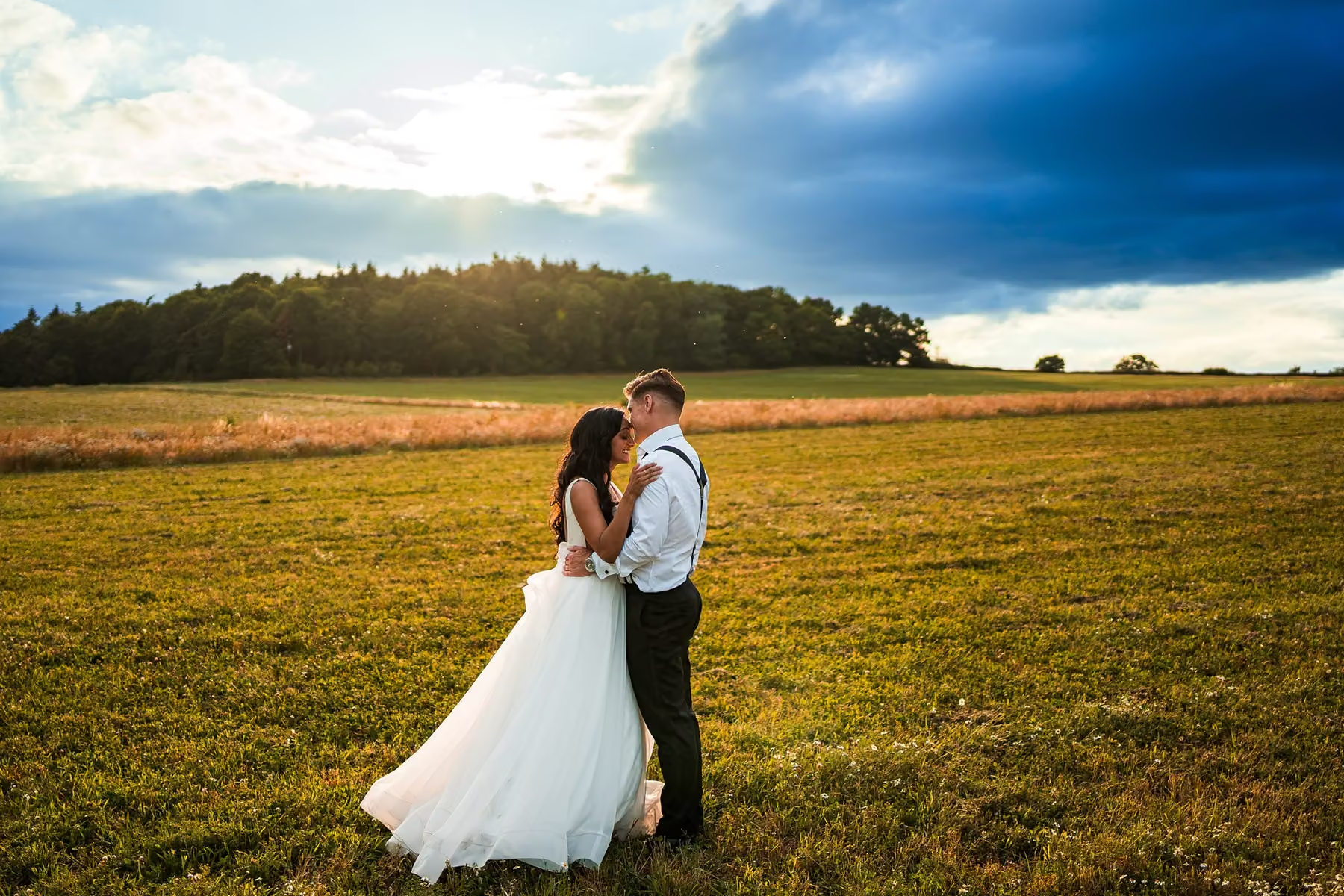
My own balance is mostly documentary, with a short pocket of time for relaxed portraits. Other photographers work differently, which is why looking at a full gallery matters.
How does a photographer work in different light and spaces?
Wedding days don’t always hand you perfect conditions. The ceremony room might be bright, the reception might be dark, rain might turn up at the worst moment, and a dance floor rarely stays still for long. A photographer has to work with the light and the room in front of them, not expect a wedding to behave like a studio.
- Reliable kit matters, with backups, because there are no second takes at a wedding.
- A rustic barn and a grand hotel need slightly different thinking, so a good photographer adapts.
- Being friendly and easy to have around helps guests relax, and relaxed guests make for much more natural photos.
When you look at full galleries, look past the sunny outdoor portraits. Check the indoor ceremonies, speeches and evening photos too. Ask how they’d approach the spaces at your venue and what they do when the weather changes. You’re not after a grand promise. You’re after a calm, sensible answer.
Why are group photographs and portraits part of the job?
Documentary photography doesn’t mean ignoring the photos you want with your family or each other. It just means keeping those moments short and purposeful. Group photos can be done without holding up the drinks reception for ages, and portraits can be relaxed rather than a performance.
A good photographer will guide you through the practical bits. That might mean getting people in the right place for confetti, rounding up the family for a few important photos or suggesting a short bit of time away from your guests. Ask how they handle those moments, how much time they suggest and what they need from you to keep it all running smoothly.


What happens to the photographs after the wedding?
The work doesn’t stop when the music starts. The photos still need to be chosen, edited and delivered the way you agreed when you booked. Some couples just want digital files to share. Others care about albums or prints too. The process, timings and products are all worth talking about before the wedding, not while you’re waiting for your photos.
Ask what you’ll get, how it’ll be delivered, whether albums or prints are available and when you can expect the final photos. Get the answers in writing. It’s a simple step that stops assumptions doing the planning for you.
What should you ask about practical contingencies?
The moments at a wedding only happen once, so it’s sensible to ask every photographer how they plan for things going wrong, what happens if they can’t make it and how they look after your photos. You can also ask about insurance, travel costs and whether they work alone or with a second photographer.
- Ask what packages they offer, and whether they can adjust one to fit your day.
- Ask how they back up your photos, both on the day and afterwards.
- Ask whether they offer a pre wedding session, which is a nice way to get used to each other before the wedding.
None of these are awkward questions. A professional will expect them. Clear answers tell you how prepared someone is and whether their way of working suits your plans.
How do you know whether a photographer is right for you?
The job description is only half of it. You also need to like the way the photographer sees a wedding and feel comfortable around them. Look at full galleries. Read reviews and notice how couples describe the experience. Have a proper chat. Then ask yourself whether you can picture this person at your wedding without it feeling any less like your day.
A good wedding photographer is there for the experience and the photos. You should be able to enjoy the hugs, the nerves, the chaos and the proper party, knowing the important bits are being noticed. That’s the whole point.
- If you trust your photographer, you’ll relax, and that’s when the real moments happen.
- The photos should look like the two of you, not a template.
- I get to see a lot of quiet little moments at weddings, and they’re often my favourite photos in the gallery.


FAQ
What does a wedding photographer do?
A wedding photographer documents your wedding day, from getting ready through the ceremony and into the evening. That means photographing the real moments as they happen, organising group photos and portraits when needed, and working alongside the other suppliers so the day runs smoothly.
How do I choose the right wedding photographer for my wedding?
Find someone whose photos you love and whose way of working suits you. Look at full galleries, not just highlights. Think about how comfortable you feel with them, because you’ll be spending the whole day together. Tell them what you’re hoping for and check they’re free on your date. And ask them plenty of wedding photography questions.
What can I expect from my wedding photographer?
Your photographer should document the people, emotions and details of your wedding day, and notice the real moments you might miss. They’ll take a lot of photos, then choose and edit the best ones for an online gallery, a wedding album or both, depending on what you book.
How much does a wedding photographer cost?
Prices for wedding photography vary a lot depending on experience, location and how many hours of coverage you need. Most photographers offer packages, and some have shorter options for smaller weddings. The cheapest isn’t always the best value, so look at the quality of their full galleries and what’s actually included.
How do wedding photographers handle unexpected situations or challenges?
Experienced wedding photographers are used to things not going to plan. Rain, a dark room, a timeline that slips. They work with whatever’s in front of them, have a plan B for locations and weather, and carry backup kit. The aim is to make sure the important moments are covered, whatever the day throws at them.
What skills does a wedding photographer need?
A mix of technical and people skills. They need to know their kit inside out and handle any light, from bright sun to a dark dance floor. They also need to be organised, good at talking to people and able to work alongside other suppliers. Add a good eye, patience and the ability to spot a moment before it happens.
How can I start a career in wedding photography?
Start by building a portfolio and getting experience. Second shooting for other photographers is a great way in. Courses and workshops help with skills. Get to know other photographers and wedding suppliers, learn from them, and slowly develop your own style and the kind of weddings you want to photograph.